Everything you need to know about banana nutrition, how to store bananas, when they're still safe to eat, and clever uses for overripe fruit.
Bananas rank among the world’s most popular fruits for good reason — they’re portable, naturally sweet, and packed with nutrients. Whether you grab one for breakfast, toss it in a smoothie, or mash it into batter for banana bread, bananas are one of the most versatile foods in the kitchen.
Banana Nutrition at a Glance
A medium banana (~118 g) provides a balanced combination of energy and micronutrients:
- Calories: ~105
- Carbohydrates: ~27 g (including ~14 g natural sugars)
- Dietary fiber: ~3 g
- Vitamin B6: ~22% of the Daily Value
- Vitamin C: ~17% DV
- Potassium: ~12% DV — great for heart health and muscle function
Health Benefits of Bananas
Bananas are more than just quick energy — they offer several health advantages:
- Digestive support: Pectin and resistant starch in bananas feed healthy gut bacteria and help normalize bowel movements.
- Natural energy: Their mix of simple and complex carbs makes bananas a favorite pre- or post-workout snack.
- Heart support: Potassium and low sodium help manage blood pressure and support cardiovascular health.
- Mood & sleep: Bananas contain tryptophan and vitamin B6, which support serotonin production.
How Long Do Bananas Last?
Banana shelf life varies by ripeness and storage method. Below is a practical guide:
| Storage | Unripe | Ripe | Overripe |
|---|---|---|---|
| Room temperature | 5–7 days | 2–3 days | 1–2 days |
| Refrigerator | Up to 10 days (peel may darken) | 5–7 days | 2–3 days |
| Freezer (peeled, sliced) | 2–3 months | 2–3 months | 2–3 months |
How to Tell If a Banana Is Bad
Not all browning means spoilage. Use this checklist to determine safety:
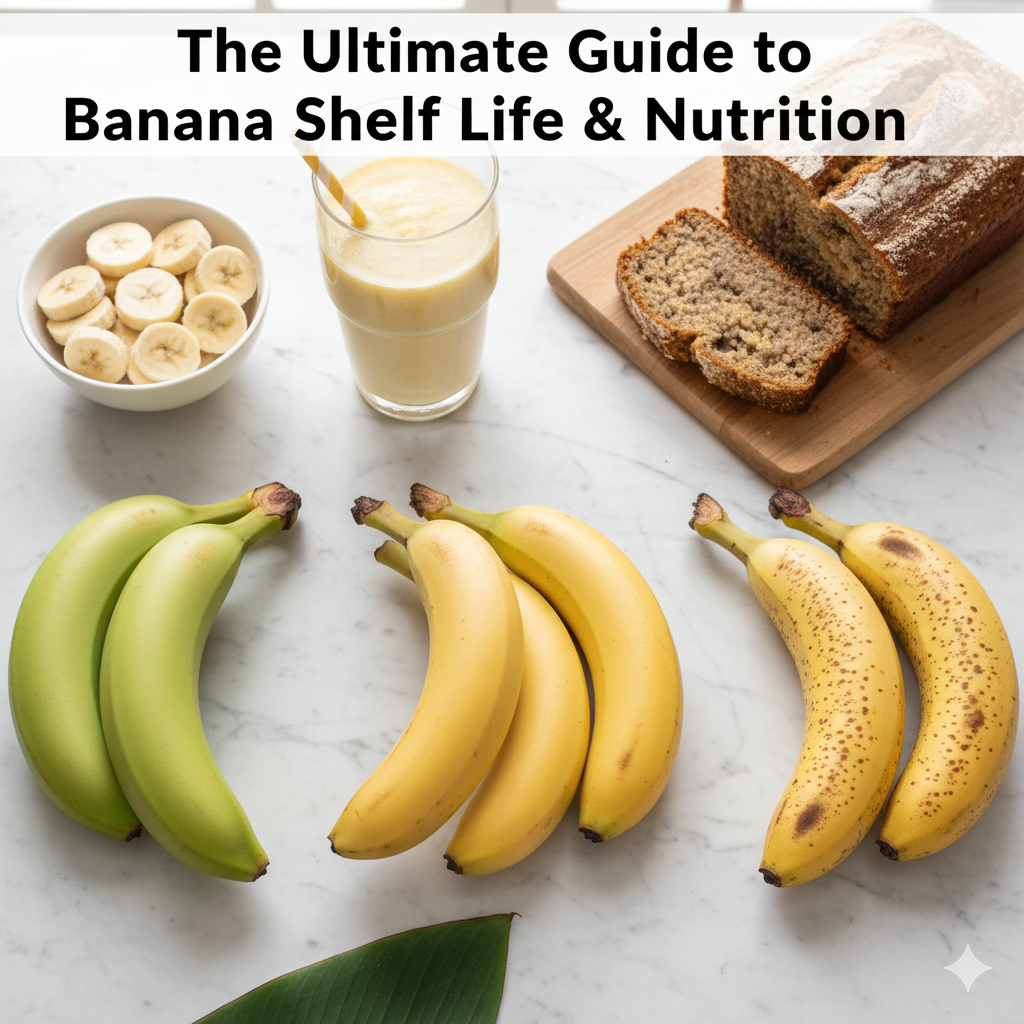
- Normal overripe signs: Brown speckles or fully brown peel with soft, sweet flesh — okay for baking and smoothies.
- Real spoilage signs: Mold, an off or fermented/alcohol smell, leaking liquid, or visible rot inside the fruit.
If you see mold on the peel or interior, or smell fermentation, discard the banana.
Storage Methods That Work
Here are easy, effective storage strategies to get the most out of your bananas:
- Room temp for ripening: Keep unripe bananas on the counter away from direct sunlight to ripen evenly.
- Refrigerate when ripe: Move ripe bananas to the fridge — the peel will darken but the fruit stays firmer and fresher longer.
- Freeze for meal prep: Peel and slice bananas, then store in freezer bags for smoothies, baking, or "nice-cream".
- Hang them up: Use a banana hook to prevent bruises and increase air circulation.
Is It Safe to Eat an 'Expired' Banana?
Many people use “expired” for any fruit that’s browned or softened. In most cases, browned or spotted bananas are overripe, not unsafe. Overripe bananas are sweeter and often ideal for recipes. However, if the fruit has mold, a strong sour or alcoholic scent, or is leaking, it should be discarded.
For a deeper dive into this question and detailed examples of signs to watch for, see Can You Eat Expired Bananas?
Creative Ways to Use Overripe Bananas
Instead of tossing overripe fruit, try these high-value uses:
Banana Peels — Don’t Throw Them Away
Banana peels can be composted or used in the garden for extra potassium. Some people also use the inner peel to polish houseplants or as a temporary shoe shine; while these uses are common DIY tips, always rinse plant leaves after use.
Minimize Waste — Smart Buying & Storage Habits
- Buy bananas in stages — a few green, a few ripe — to spread consumption across days.
- Use freezer-friendly containers or bags for overripe bananas to save them for future recipes.
- Rotate your fruit bowl so older bananas are used first.
Final Thoughts
Bananas are nutritious, practical, and flexible in the kitchen. Understanding the difference between overripe and spoiled fruit lets you get the most value from every banana while minimizing waste. When in doubt, check for mold, foul smell, or leaking — otherwise, browned bananas are often a delicious resource for baking, smoothies, and snacks.
If you'd like a deeper guide on signs, safety, and what to do with very old bananas, check that handy resource linked above for a complete breakdown.
Frequently Asked Questions
Can I eat a banana with brown spots?
Yes — brown spots indicate ripeness and natural sugar development. They’re safe and great for recipes; only discard if there's mold or a rotten smell.
How do I slow banana ripening?
Separate bananas from the bunch, wrap the stems, and move ripe bananas to the refrigerator to slow the process.
Can I freeze bananas?
Absolutely — peel and slice, then freeze in a single layer before transferring to a bag. Use within a few months for best flavor.