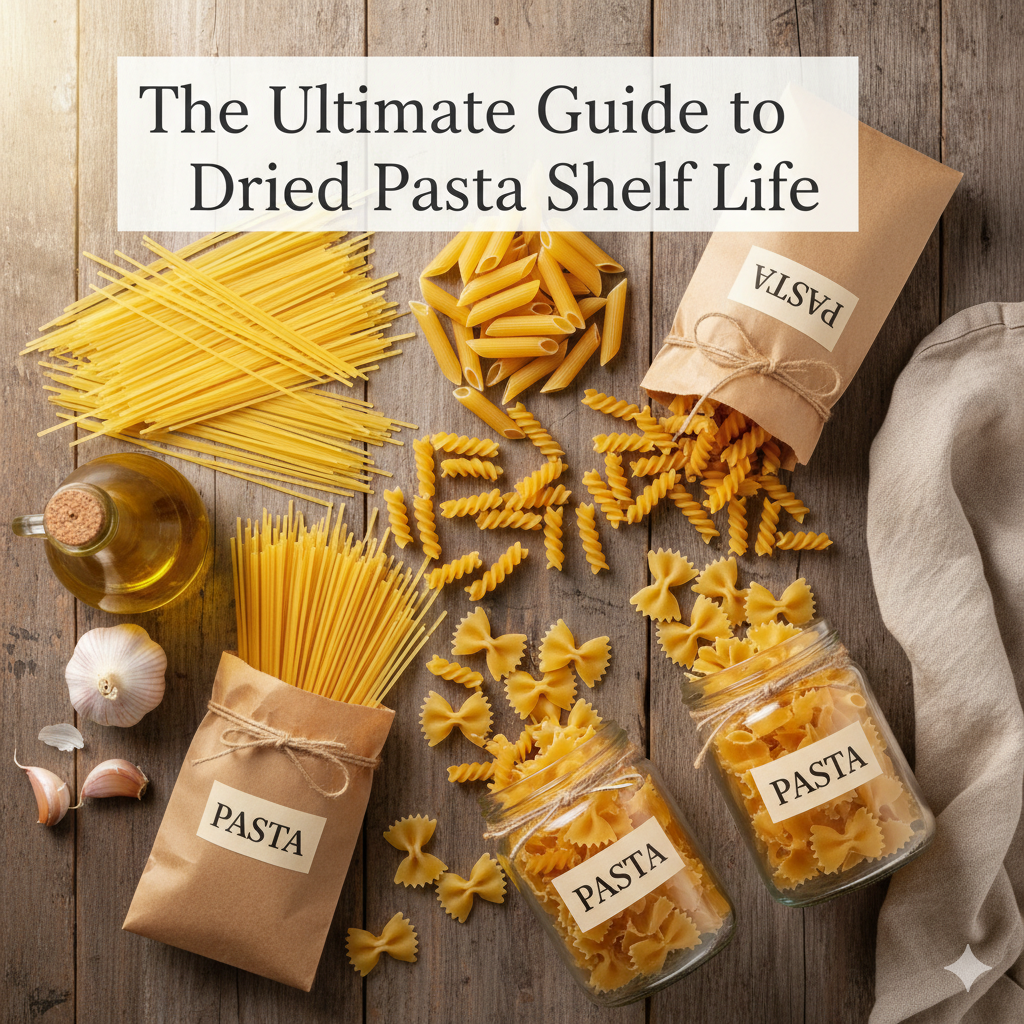
Learn how to make your pantry pasta last longer, stay fresher, and maintain its flavor for months — or even years.
Pasta is one of those comfort foods that never goes out of style. Whether it’s a classic spaghetti, penne, or fusilli, having dried pasta in your pantry means dinner is always within reach. But have you ever wondered — how long does dried pasta really last? This guide explores everything from shelf life and storage tips to signs of spoilage and the science behind pasta’s long-lasting nature.
Why Dried Pasta Lasts So Long
Dried pasta has an impressively long shelf life thanks to its low moisture content. During production, water is removed through controlled drying, creating a product that’s almost immune to bacterial growth. That’s why, unlike fresh pasta, dried pasta can sit in your cupboard for years and still cook up perfectly al dente.
Another factor is its simplicity — just durum wheat semolina and water. No eggs, no dairy, no oils to spoil. This minimal ingredient list keeps it stable and safe over time.
How Long Does Dried Pasta Last?
The answer depends on how it’s stored. Most dried pasta comes with a “best by” date, but that’s more about optimal quality than safety. In reality, properly stored pasta can remain edible well beyond that printed date.
| Type | Unopened Shelf Life | Opened Shelf Life (Airtight) |
|---|---|---|
| Regular Dried Pasta | 2–3 years past best-by date | Up to 2 years |
| Whole Wheat Pasta | 12–18 months | Up to 12 months |
| Gluten-Free / Legume Pasta | 6–12 months | 6–9 months |
The main threats to pasta quality are humidity, heat, and pests. Once moisture gets in, mold and clumping can form — and that’s when it’s time to toss it.
How to Store Dried Pasta Properly
Storage is the secret to extending shelf life. Here are a few simple but powerful practices:
- Use airtight containers: Once opened, transfer pasta into glass jars, metal tins, or plastic containers with tight lids.
- Keep it dry: Store pasta away from humidity and temperature fluctuations. Avoid cabinets near the sink or stove.
- Control the climate: Ideal pantry storage is below 75°F (24°C) with low humidity.
- Rotate stock: Follow the “first in, first out” rule to use older pasta first.
How to Tell If Dried Pasta Has Gone Bad
Although it’s rare, dried pasta can deteriorate under poor storage conditions. Here are the most common warning signs:
- Musty or off smell
- Discoloration or dark spots
- Sticky or soft texture
- Visible insects or holes in packaging
If you spot any of these issues, discard the pasta — even if it looks only slightly off. Quality and safety go hand in hand.
Cooked Pasta vs. Dried Pasta Shelf Life
While dried pasta can last for years, cooked pasta is a different story. Once rehydrated, it becomes a perishable food. Store cooked pasta in an airtight container in the refrigerator and consume it within 3–5 days. For longer storage, freezing is an excellent option — it can last up to 2 months with minimal texture loss.
The Role of Packaging in Pasta Preservation
Modern pasta packaging is designed to protect from light, air, and moisture. However, once opened, that protection is compromised. For anyone living in humid climates, transferring pasta into vacuum-sealed or airtight jars is the best way to preserve freshness.
Common Myths About Pasta Expiration
- “Dried pasta never goes bad.” — Technically true if kept dry, but it can lose flavor and texture over time.
- “Best-by date equals expiration.” — False. It’s only a guideline for optimal quality, not food safety.
- “Refrigeration helps dried pasta last longer.” — Actually, it can cause condensation and spoilage. Keep it at room temperature.
Environmental Factors That Affect Shelf Life
Temperature and humidity are the biggest culprits in shortening shelf life. In tropical or coastal areas, dried pasta tends to absorb ambient moisture faster. Using silica gel packets or airtight containers can add months (even years) to its usability.
Best Practices for Long-Term Pasta Storage
- Store in dark, cool cupboards away from sunlight.
- Avoid open paper bags — use resealable containers instead.
- Label containers with purchase or open dates.
- Inspect older pasta before cooking.
When in Doubt, Check Reliable Sources
If you’re ever uncertain about food safety or how to handle expired dried pasta, it’s best to rely on trusted food safety resources and guides. One of the most comprehensive resources on this topic is The Ultimate Guide to Dried Pasta Shelf Life — a detailed reference for understanding how long pasta lasts and how to keep it fresh.
Final Thoughts
Dried pasta remains one of the most reliable and forgiving foods in any kitchen. Its low moisture content and simple composition mean it can last for years without losing quality. Still, proper storage and awareness of environmental factors make all the difference between a perfectly firm pasta night and a disappointing bowl of mush.
FAQs About Pasta Shelf Life
Can I eat pasta past its expiration date?
Yes, if stored correctly and it shows no signs of mold, pests, or odor. Dried pasta often remains safe well past the date on the box.
What’s the best way to store pasta long-term?
Use airtight glass or plastic containers in a cool, dry area. Avoid sunlight and humidity for maximum shelf life.
Should I freeze dried pasta?
Freezing dried pasta isn’t necessary, but it can extend storage life further if humidity is a concern.